
Strategic prototyping – Realize projects with rapid iterations
01
Insight
Beat the Odds with Building Early Versions
In an era of shrinking budgets and growing creative pressure, ad agencies aren't cozy playgrounds for long-term creative ideas. The stakes are high, and so are the barriers. Over my years working on large-scale tech productions, I’ve learned that scribbles, mockups, and presentation slides sometimes aren’t enough to push an idea through the ranks at your agency or with your client.
02
Boost
The Power of Prototyping
**A prototyping workflow is advisable for several reasons:**
- Avoid Misconceptions and Flaws: It protects you from misconceptions, flaws, and over-optimistic assumptions in your concept.
- Fail Cheap and Fast: If your idea is a total flop, you can kill it early without wasting precious money or time.
- Fine-Tune Your Concept: It helps refine your concept, messaging, and expectations. Sometimes, it even helps you get to the core of your idea.
-Convince Stakeholders: It’s not just about convincing yourself but also creative management and clients.
- Life Insurance: Killing a PowerPoint slide is easy, but killing a prototype is harder. It’s more tangible and, therefore, more persuasive.
- Awesome Moderation Skills Needed: Not every client is used to seeing ideas in such an early and imperfect stage, so good moderation is key.
03
Choice
Prototype, or Die
But what is a prototype, anyway? And what about its smaller brother, the pretotype?
A **pretotype** is an early, experimental version of a product designed to test the basic idea quickly and inexpensively before full development. It focuses on validating assumptions about the product's viability and customer interest using minimal resources. Alberto Savoia came up with the concept, and [his book](https://www.pretotyping.org/pretotype-it-10th-anniversary-edition.html) provides valuable thoughts and examples.
A **prototype**, on the other hand, is a more developed version that aims to test specific features, functionalities, and design elements. Unlike a pretotype, a prototype is closer to the final product and requires more time and resources to build, focusing on refining and improving the product based on user feedback and technical testing.
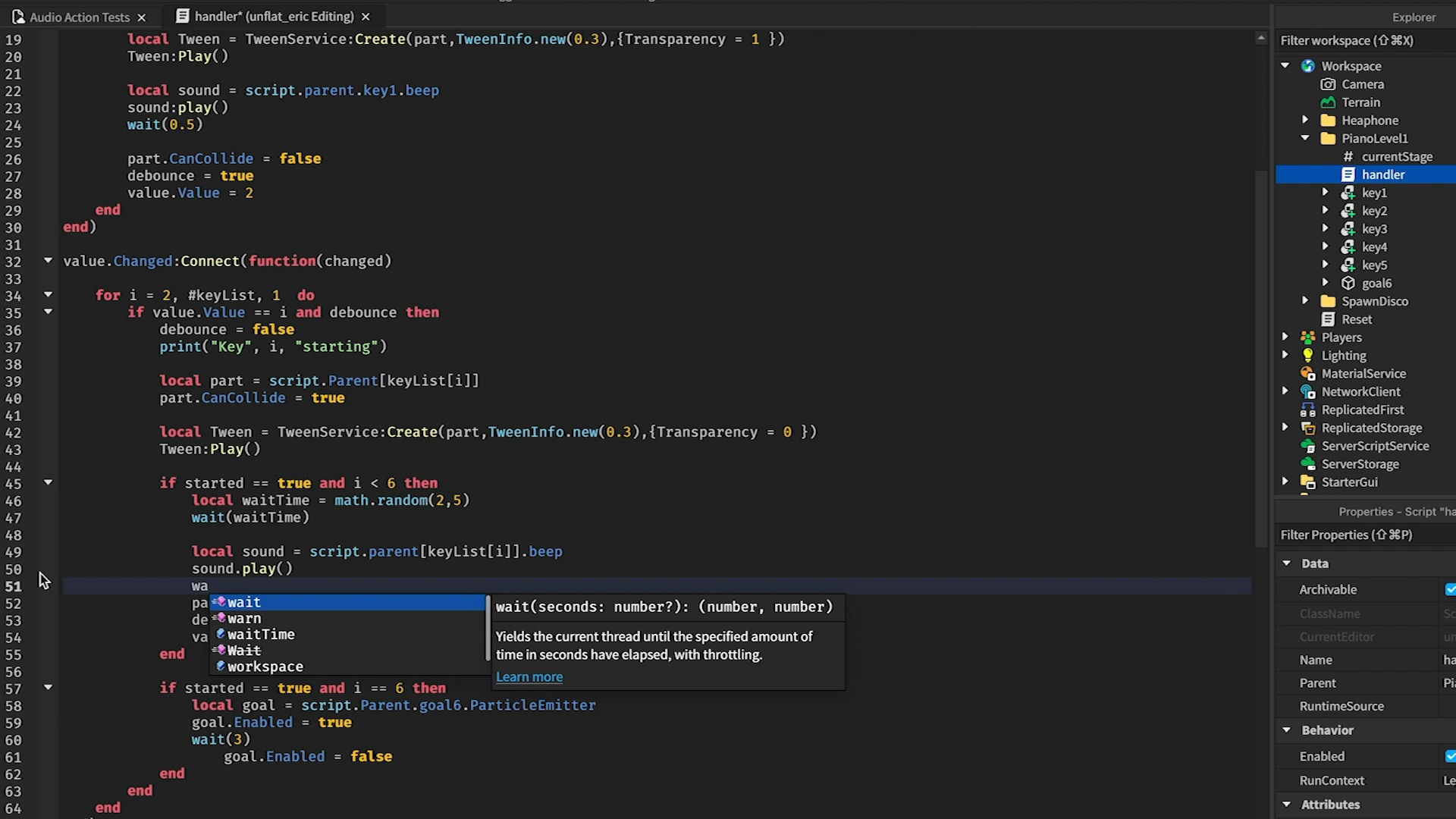
Prototyping Lua. Not too popular, but well documented.
04
Idea
Coming Up with Mt. Earverest
For "Blackout at Mt. Earverest," I used both stages. The idea was sparked by Roblox itself, which had an excellent audio update around 2021. Despite this, most games relied on visual cues. What if gamers navigated through their game world based on audio directions?
Having a family member with hearing deficiencies, I knew this could be both a problem and an opportunity. It could help identify people with unnoticed hearing issues. Professional hearing tests like stereo audiometry, speech audiometry, and tone audiometry were the basis for my approach.
05
Stage 1
Pretotyping Mt. Earverest
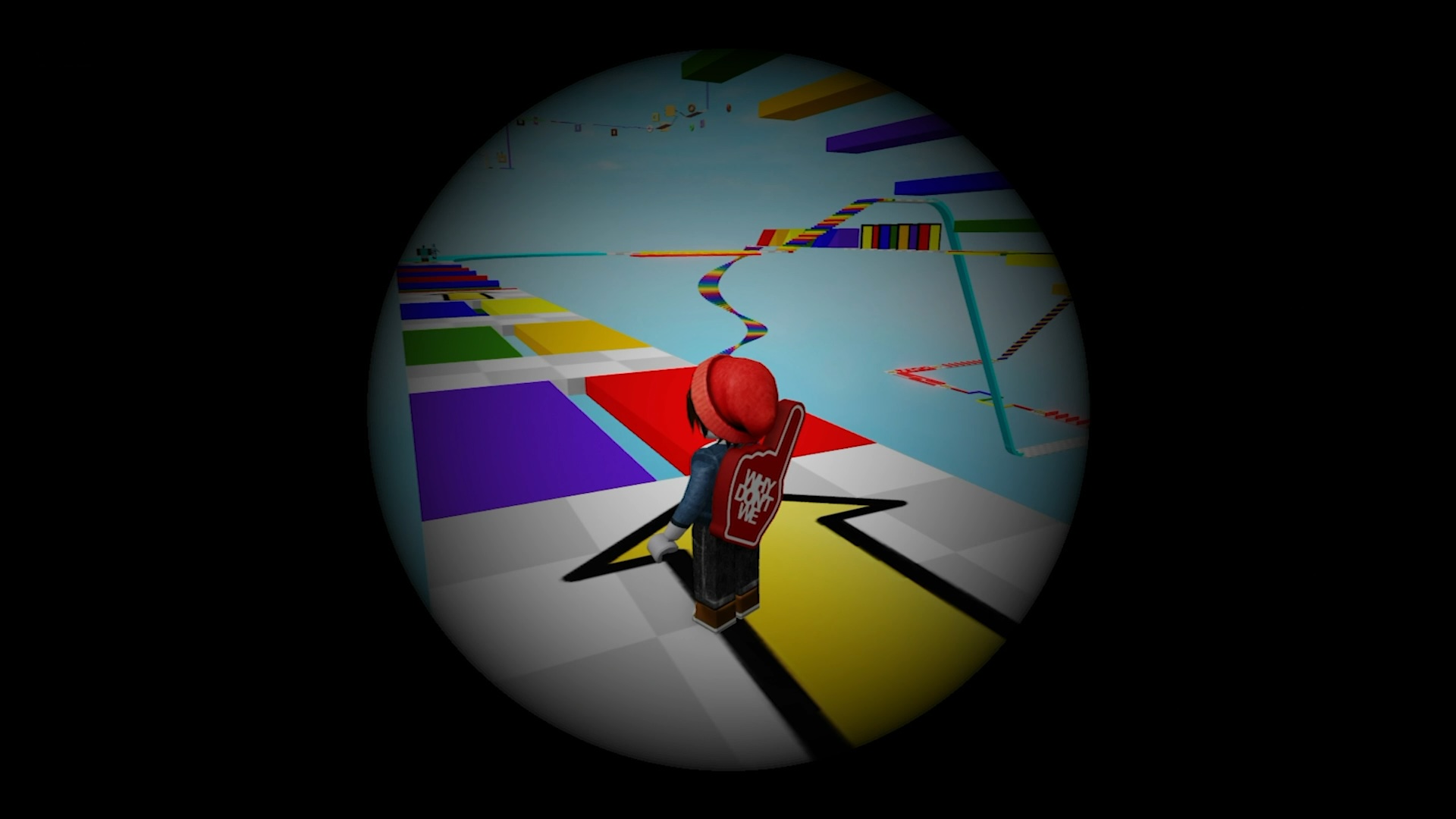
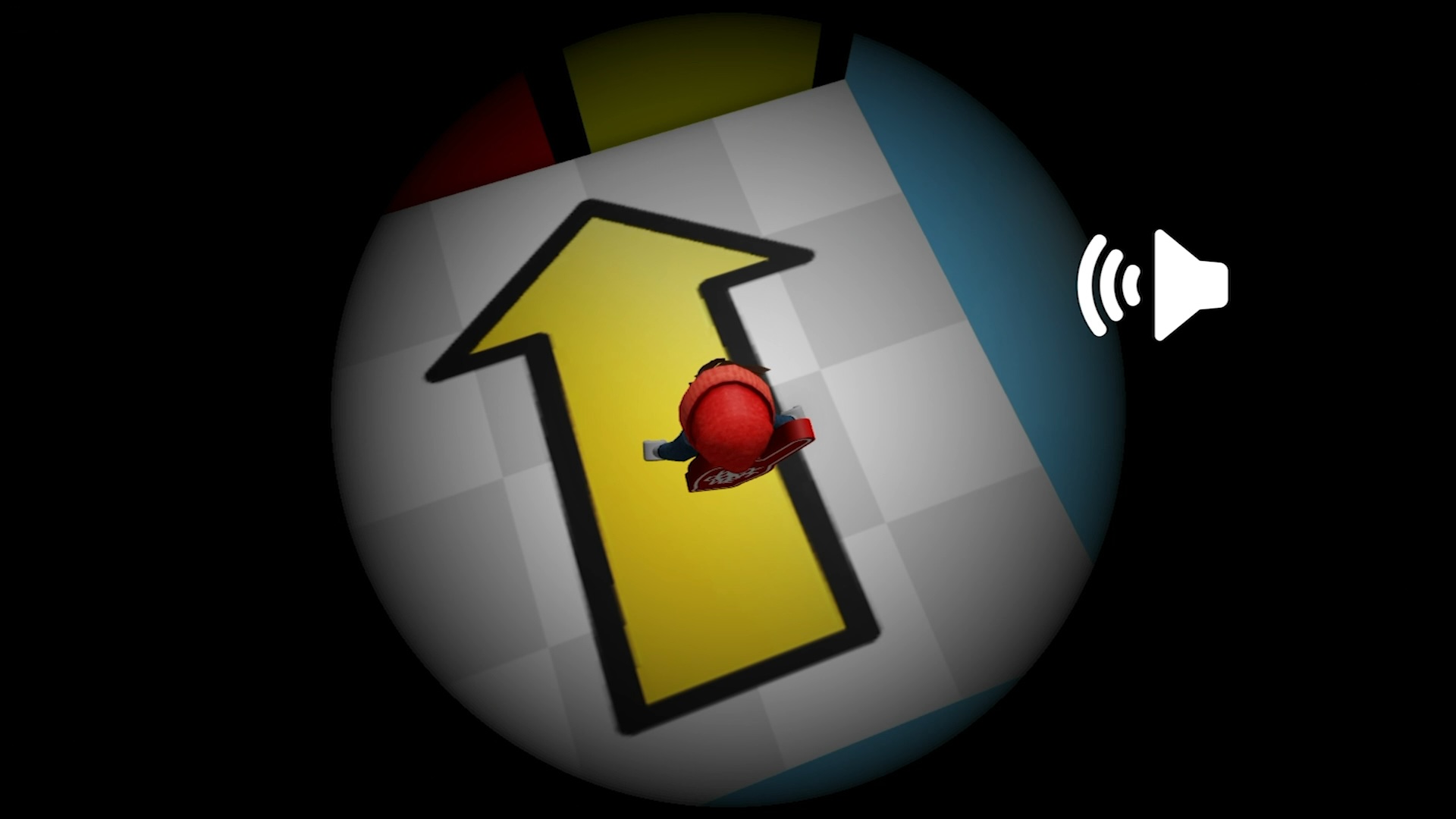
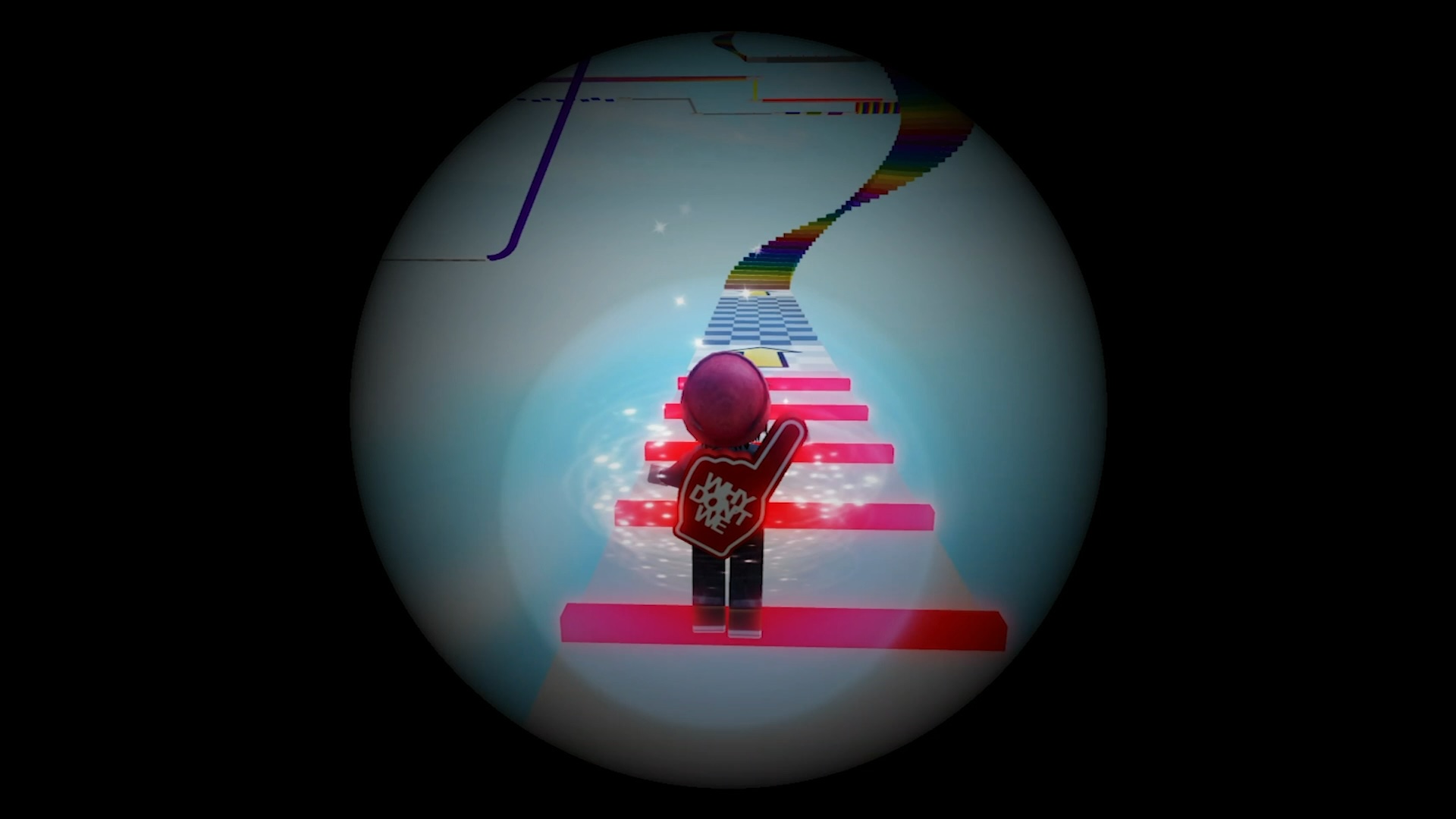
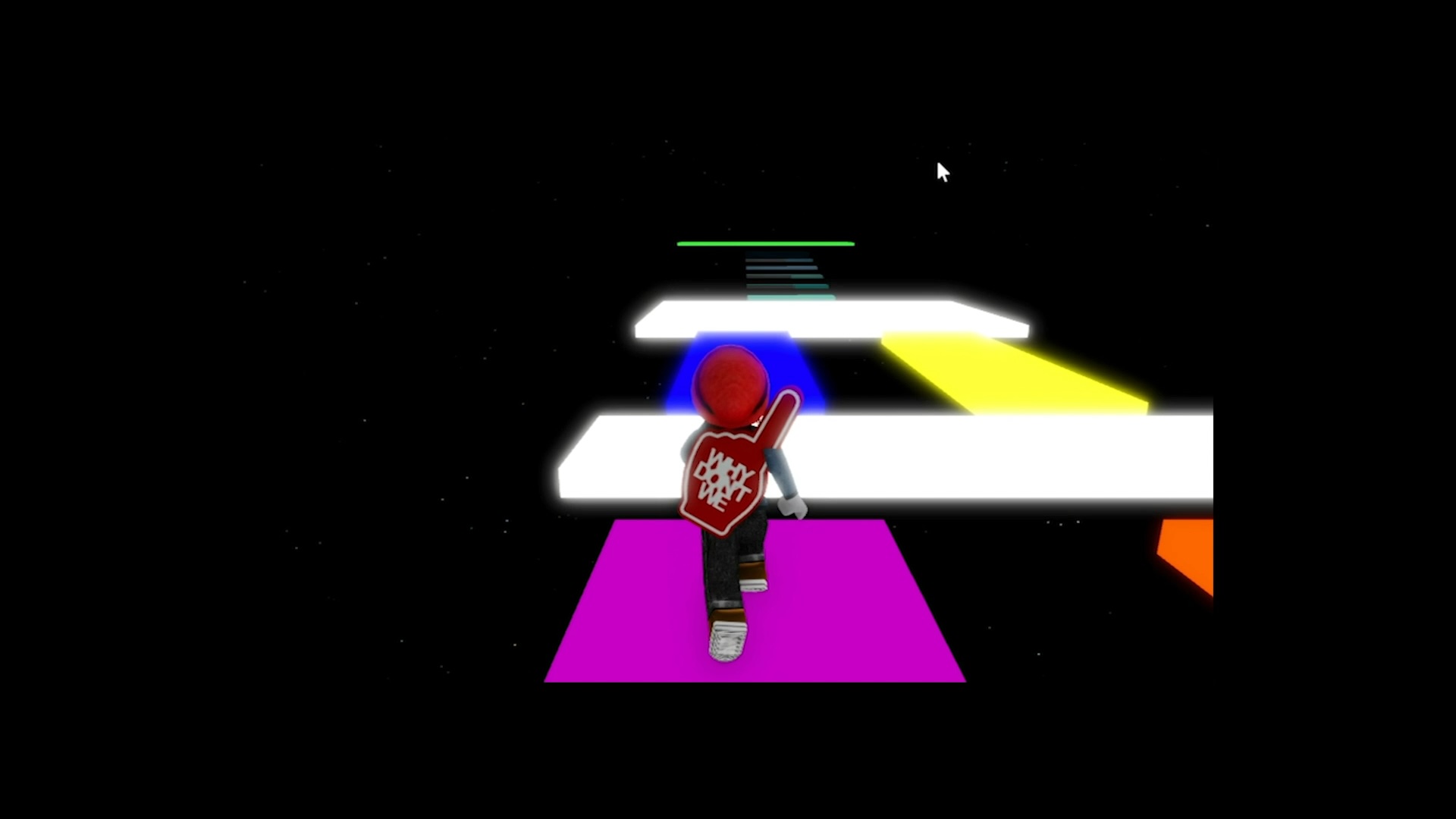
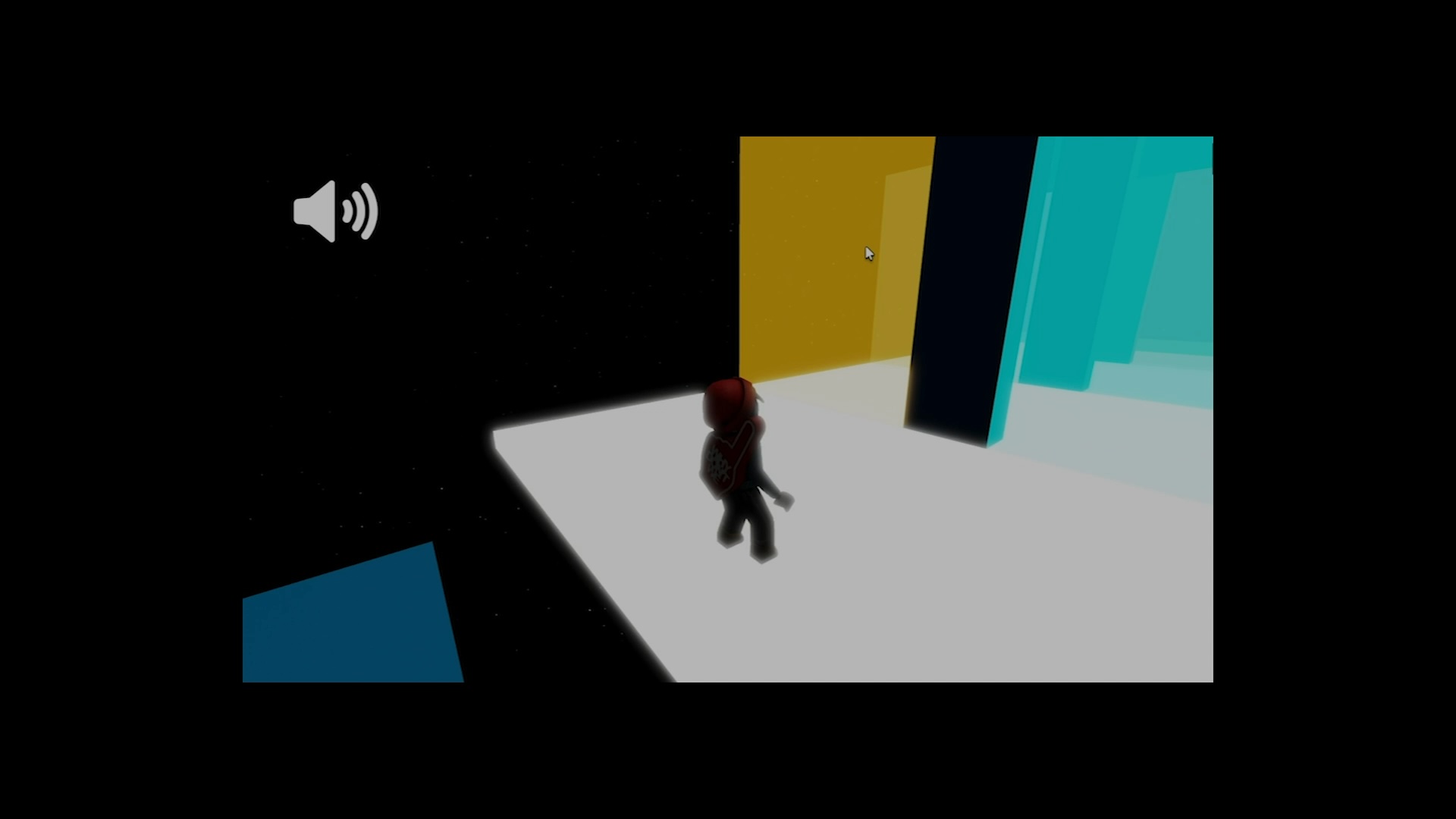
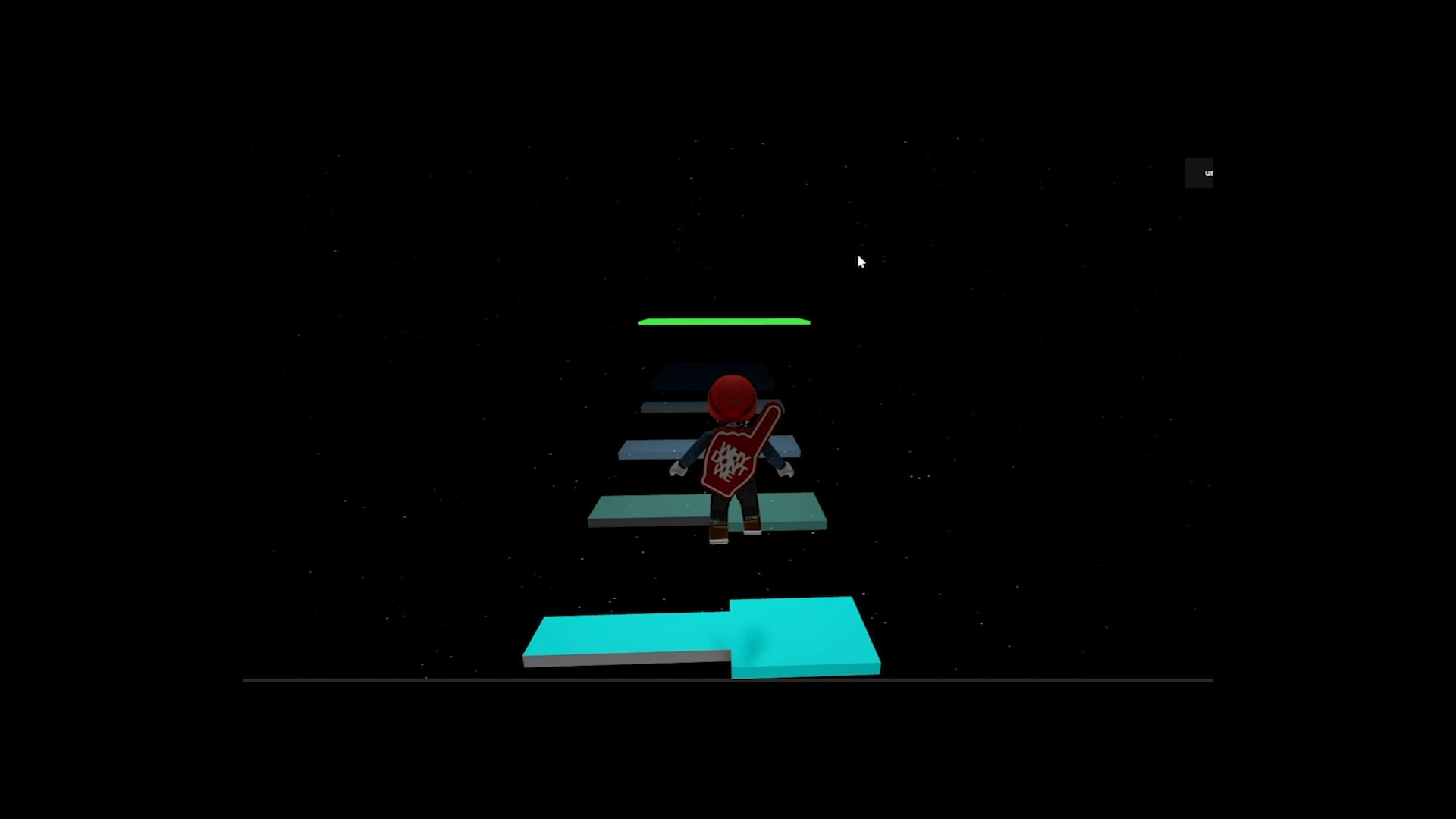
To build a pretotype, I avoided writing a single line of code. The idea was untested and could have been totally off. **Instead, I used a screen recording of an existing game.** Obstacle races, or Obbys, offered various actions that could be connected to sounds. I added beeps, speech, and noise to my recording using simple video editing. This approach revealed some flaws that I could tweak early on, saving time later. Plus, I got the green light to proceed with the project.
05
Stage 2
Prototyping Mt. Earverest
The prototype was more time-consuming but also more interactive and insightful. Roblox’s accessible [coding studio](https://create.roblox.com/docs/studio) was invaluable. I wrote key portions of the game code, simulating the main audio tests in gameplay.
The result was a wealth of insights and a prototype that secured approval from the client and a partnership with headraft as th game studio to develop a full-blown game.
06
Intro
Don’t Read. Play.
Fire up the game yourself on Roblox: [Click here](https://www.roblox.com/games/12864815372/Blackout-at-Mt-Earverest)
Check out all the details in my portfolio: [Click here](https://portfolio.oliverheidorn.de/project/19)
Or reach out if you have questions or feedback: [Click here](mailto:mail@oliverheidorn.de)